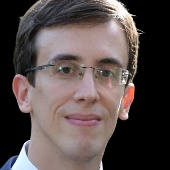
Santiago
Sevilla Vallejo
Profesor Permanente Laboral
Departamento: LENGUA ESPAÑOLA
Escuela de doctorado: ESPAÑOL: INVESTIGACIÓN AVANZADA EN LENGUA Y LITERATURA
Escuela de doctorado: EDUCACIÓN
Área: Didáctica de la Lengua y la Literatura
Grupo de investigación: ESCRITORAS Y PERSONAJES FEMENINOS EN LA LITERATURA
Email: santiagosevilla@usal.es
Web personal: https://www.lasdesconocidas.com/


Doctor por la Universidad Complutense de Madrid con la tesis La obra de Gonzalo Torrente Ballester como juego 2014. Dirigida por Dr/a. Ángel García Galiano.
Profesor Contratado Doctor. Ha sido Secretario de la Federación de Asociaciones de Profesores de Español y es director de la revista Cálamo FASPE (ICDS 4.0). Dirige el Congreso Internacional Las Desconocidas. Estudios sobre la construcción de la identidad femenina en la literatura, que forma parte del GIR Escritoras y personajes femeninos en la literatura (Universidad de Salamanca) y que publica la revista académica. Andrea. Estudios sobre la construcción de la identidad femenina en la literatura. Premio al mejor ensayo de la Asociación Canadiense de Hispanistas (2021). Ha sido finalista del III y del IV Premio Educa Abanca. Mejor Docente de España, en la categoría Universidad; y del premio de investigación de la Primera edición del Congreso Internacional de Escritores y Artistas; y del International Research Awards on Psychiatry and Mental Health (2021) en la categoría Research award Ha sido becario de excelencia y ha sido o es miembro de los grupos de investigación y proyectos de investigación competitivos: a) Identidad de género y literatura: GIR Escritoras y personajes femeninos en la literatura (C2 Autoescrituras de mujer: reconstrucción inclusiva de la historia literaria en primera persona) y GIR Escritoras y escrituras, Universidad de Sevilla (FEDER Andaluzas ocultas. Medio siglo de mujeres intelectuales) b) a) Psicología y literatura: GIR Identidad, literatura y didáctica: Grupo de investigación Lengua, Emoción e Identidad, Universidad de Alcalá (MINECO Comunicación, emoción e identidad en la adquisición y aprendizaje del español como segunda lengua), GIR Grupo Innovación, Identidad y Literatura en Español, Universidad Internacional de la Rioja, (Proyecto Nacional, Didáctica e Identidad en las Literaturas en Español ) c) Identidad trascendente: Proyecto Dios en la Literatura Contemporánea (Universidad Complutense de Madrid) d) Didáctica de la lengua y de la literatura: MINECO Estudio del aprendizaje léxico basado en el conocimiento de la morfología del alumnado de Educación Secundaria Obligatoria. Modelo piloto de intervención didáctica Coordinó el Proyecto de Innovación Docente ID2021/194. La naturaleza es buena. La obra de Miguel Delibes para trabajar de forma intermedial en el aula los Objetivos del Desarrollo Sostenible y el PID ID2022/227. La libertad en la obra de Miguel Delibes. Aplicaciones intermediales en las aulas de magisterio y de filología La mayor parte de sus publicaciones se pueden encontrar en abierto: https://usal.academia.edu/SantiagoSevillaVallejo Su línea de investigación se centra en el estudio de la relación entre la construcción de la identidad y la elaboración del discurso aplicado a: las competencias comunicativas (especialmente la lectura y la escritura) y estudios literarios desde la teoría de la narratología, el psicoanálisis y el género. Como docente, emplea estas investigaciones para ofrecer recursos expresivos y de crecimiento personal a los alumnos.